Start a Project

Hard problems, checked twice

Independent research in computational physics and AI verification. We test our methods where mistakes are expensive and easy to spot, cross-check every result against published science, and retract the ones that fail.

Computational physics

A Star Trek hologram, with today's lasers

We asked one question: can you build a true 3D image that floats in open air, the kind of hologram you see in Star Trek, from parts you can order today? We simulated the physics end to end, and the answer is yes.

How it works, simply

  1. Two beams cross

    Two invisible laser beams, each too weak to do anything on its own, meet at one point in the air.

  2. The air glows

    Where they meet, the air turns into a tiny spark of light: one pixel with a real address in space.

  3. The eye sees a picture

    Move about 10,000 of those points 60 times a second and you see a floating image you can walk around and pass your hand through.

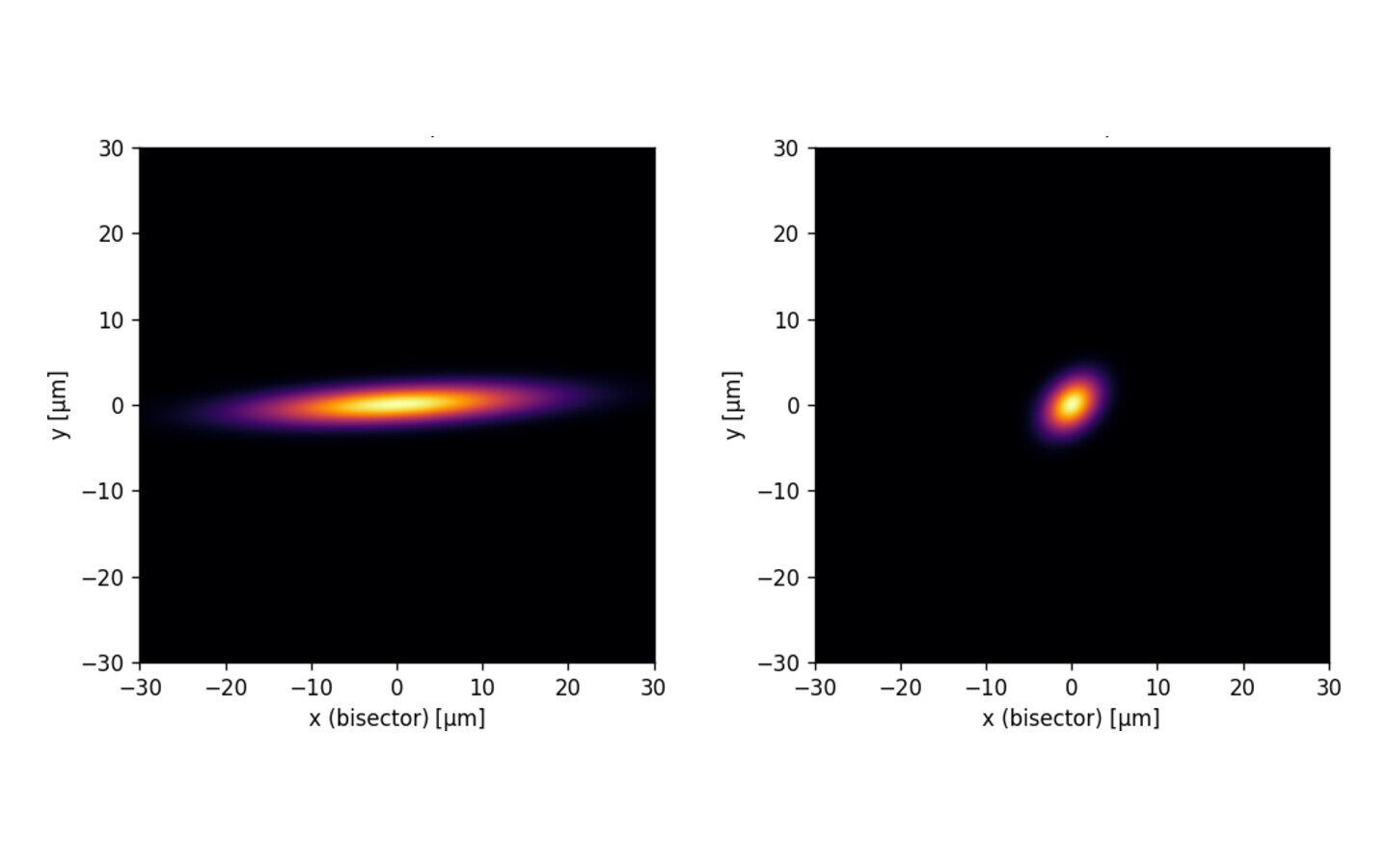
Computed, not photographed: cross the two beams at a wider angle and the glow shrinks from a streak (left) to a single point (right).
~$378,000
Prototype priced from real vendor catalogues
184
Photons per point reach the eye, where about 100 are enough to see it
40+
Simulations across nine areas of physics, from quantum chemistry to plasma
22
Published references, each verified by its DOI

What it is, and isn't: a computational study, not a working device. No laser was switched on. Every number comes from open-source physics simulators run by an AI agent, and the image would be line art (outlines, text, shapes), not a solid picture.

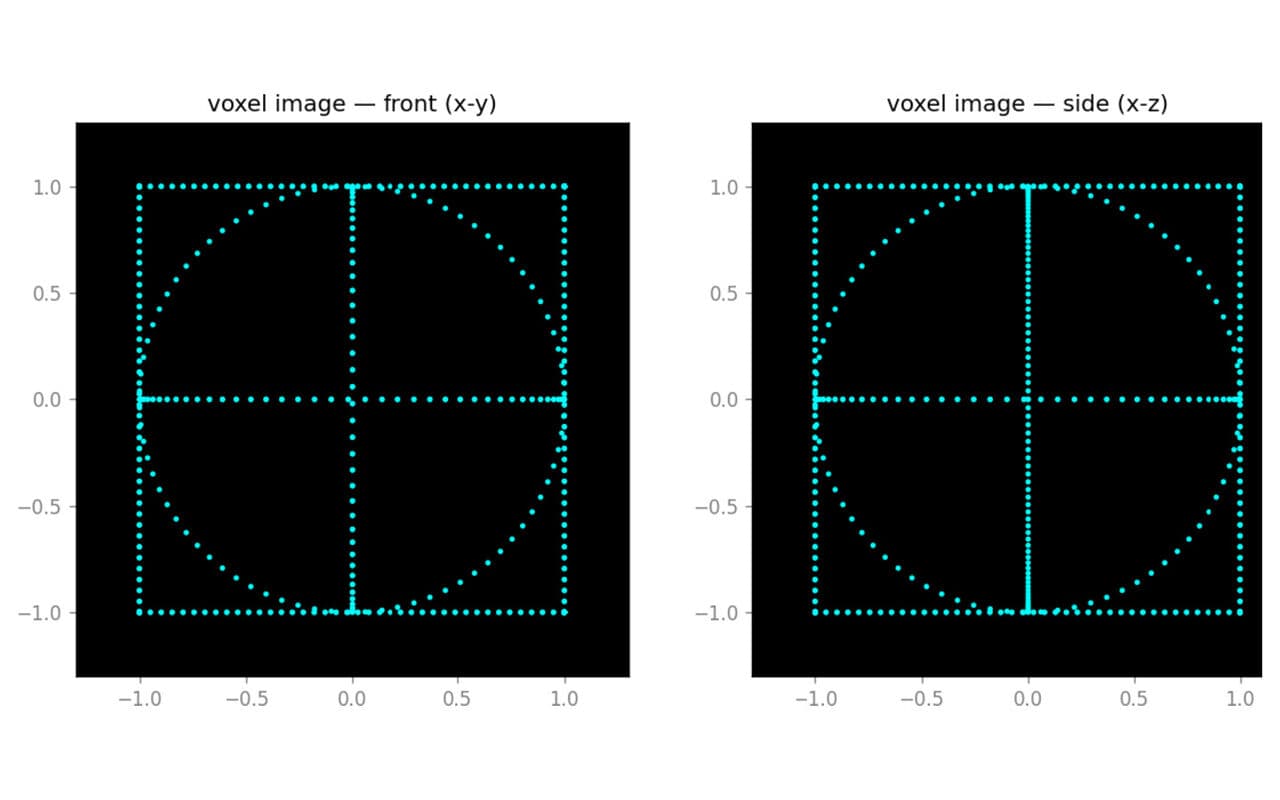
Air-laser voxel images, front and side views of the computed display volume

Air-laser

Independent physics research

49pages, computed not built

A physics design study for an image that floats in mid-air, computed end to end by a dozen open-source simulators driven by one AI agent loop. The one result that failed its cross-check was retracted.

Open the case study

Generation is cheap.Judgement isn’t.

Every model can write the code, the article, the level. That part gets cheaper every quarter. What we bring is the part after the model: the checks, the cross-references and the human sign-off that decide whether its output is allowed to ship.

The moat is the verifier, not the generator